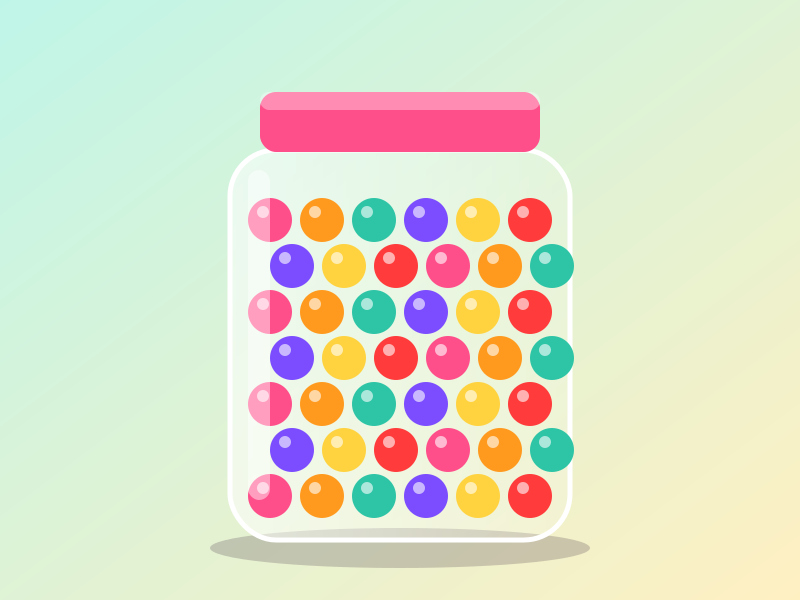
The apothecary jar revival
Glass jars of jewel-toned candies have returned to craft shops and home kitchens. Their charm is simple: you can see every color and imagine every flavor before you taste.
 Spindle & Sugar
The craft candy magazine
Spindle & Sugar is a visual guide to artisanal candies and lollipops: swirled, pulled, infused and glowing like stained glass. Explore the techniques, flavors and traditions behind every glossy spiral.
Glass jars of jewel-toned candies have returned to craft shops and home kitchens. Their charm is simple: you can see every color and imagine every flavor before you taste.

A well-cooked hard candy is transparent and glassy. Makers watch temperature closely and pour onto an oiled marble slab to capture that shine.
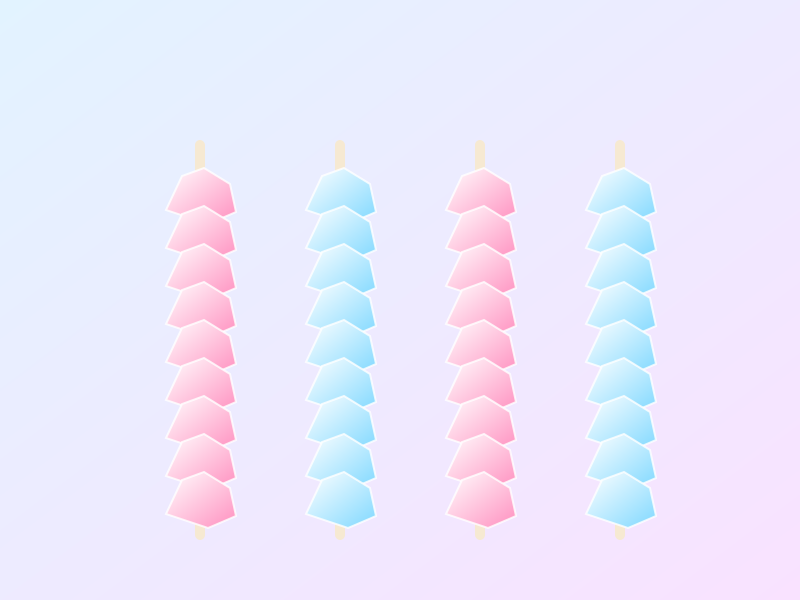
Rock candy grows slowly as sugar leaves a saturated syrup and settles on a stick. Patience and a quiet shelf produce the sparkle.
Technique
Most hard candy begins with sugar, glucose syrup and water. Glucose keeps the sugar from turning grainy, which is why a lollipop looks like glass rather than frost. The mixture is cooked until nearly all the water has left, then cooled just enough to handle.
Flavor and color go in at the very end. Heat is the enemy of delicate aromas, so makers stir in oils, extracts or infusions after the cook, working quickly before the candy sets. Swirls come from folding two colors together once, then stopping, since extra folding turns the pattern to mud.
Pick a flavor family to see how makers balance it.
Blood orange, yuzu peel and wild raspberry make bright, sharp drops. Add the acid late in the cook so the flavor stays lively, and pair a tart berry with a softer vanilla note on the stick.
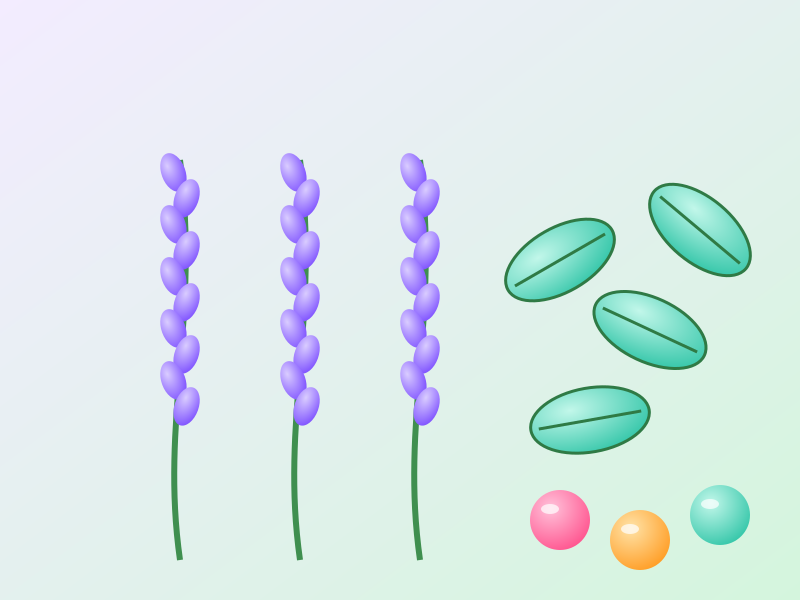
Lavender, spearmint and elderflower reward a light hand. Infuse the water first, strain well, and let the herb sit behind a hint of honey or lemon.
Cinnamon bark, cardamom and ginger give a toasty, old-fashioned character. Keep spice oils to a few drops and pair them with caramelized sugar.
Pear, rose and apricot make gentle, perfumed candies. They shine in clear, pale lollies where color and aroma can both be admired.
A sample hard candy base per tray (about 24 drops). Use the buttons to scale the number of trays.
1 tray(s)
Sugar loves to pull moisture from the air. Dry days give the clearest, stickiest-free candies.
Cellophane or wax paper keeps finished lollies glossy and keeps flavors tidy in storage.
A few drops of gel color go further than you expect, and layered pastels often look richer than one loud shade.